ALIGN ECOSYSTEM™
Alignment Is Not a State. It Is a Rhythm.
Most leadership and organizational work treats alignment as something you achieve and then move on from. In reality, alignment must be continuously re-established as conditions change, complexity increases, and pressure builds.
The ALIGN Ecosystem™ explains how alignment stays alive over time. It reveals the underlying rhythm that allows leaders, teams, and organizations to move with clarity, coherence, and momentum rather than force.
This is not another framework to apply. It is the architecture that shows how the frameworks work together.
Why the ALIGN Ecosystem Exists
Across leaders, teams, and organizations, a familiar pattern appears. Smart, capable people do the right work in isolation. Leaders develop themselves. Teams attend offsites. Cultures articulate values. Strategies are clearly defined. And still, alignment erodes.
The issue is rarely effort or intent. It is that the work is done in pieces, without a unifying architecture that shows how alignment is created, mobilized, and sustained across levels.
The ALIGN Ecosystem™ exists to make that architecture visible.
The Core Insight
Alignment does not fail because people are incapable. It fails because alignment is treated as static. In reality, alignment is dynamic. It must continually move between two modes:
Perceiving
What is true now
Mobilizing
Toward what needs to happen next
Alignment is not a one-time achievement. It is dynamic, not static.
Recalibrated as conditions, people, and context evolve.
Held together by coherence.
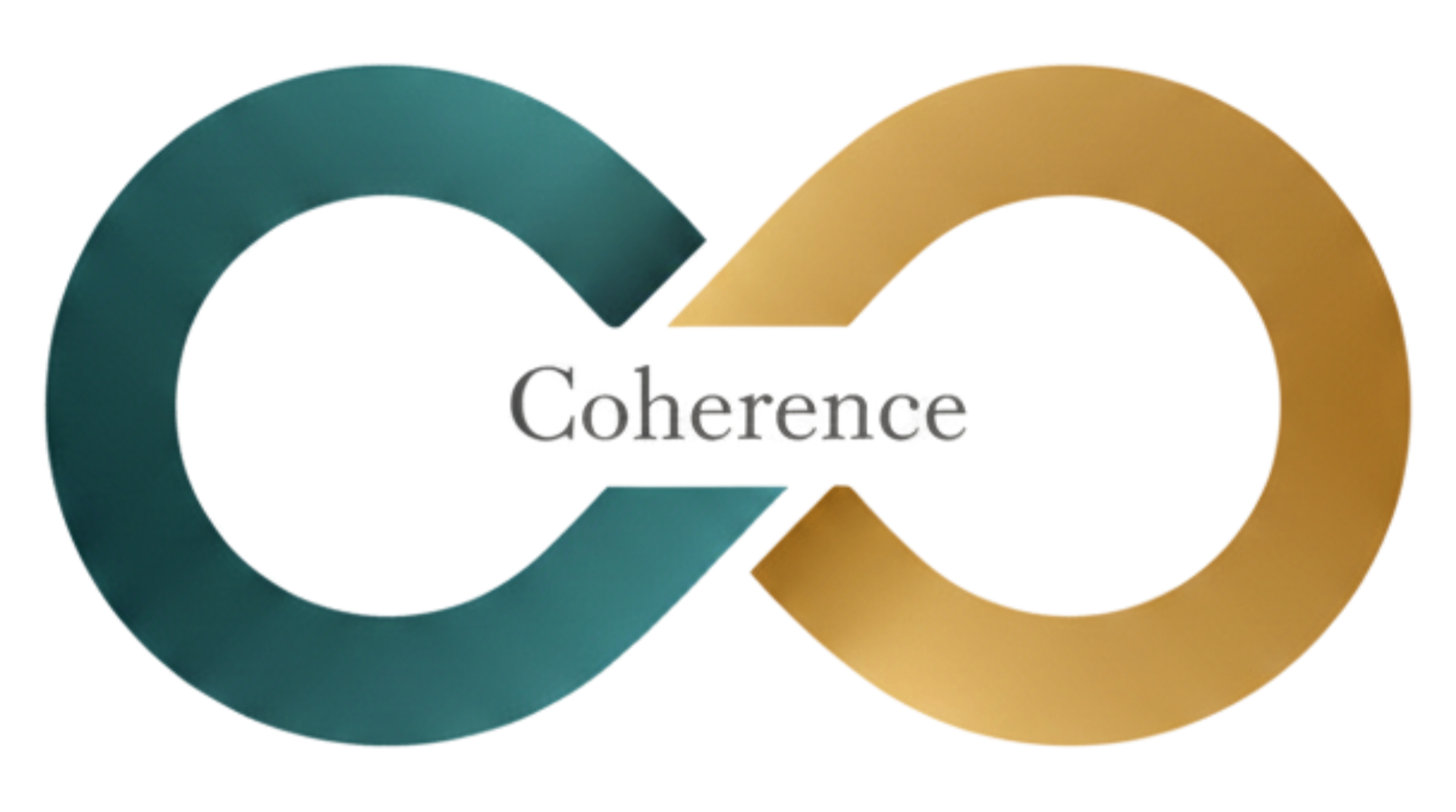
The Rhythm of Alignment
Alignment holds when systems can move fluidly between perceiving and mobilizing without collapse, urgency, or force.
At the center of this rhythm is coherence. Coherence is what allows truth to be seen clearly and action to follow without friction. When coherence is present, alignment stays dynamic. When coherence breaks down, leaders compensate, conversations become strained, and systems are overridden.
The ALIGN Ecosystem™ exists to build and protect coherence so this rhythm can continue as complexity grows.
Alignment Across Levels
The same rhythm applies at every level of the system. Alignment does not scale by doing more. It scales when these levels reinforce one another.
Leaders
Alignment begins with internal capacity.
Leaders must be able to regulate pressure, hold complexity, and perceive accurately without becoming reactive, avoidant, or depleted. When capacity is insufficient, leaders unconsciously avoid the conversations and decisions that matter most.
The ALIGN Capacity Framework™ builds the internal resources required to stay present as complexity increases.
Teams
Alignment moves through conversation.
Teams experience alignment or its absence through how they talk, decide, and commit. Some conversations feel natural. Others feel draining, tense, or avoided.
The ALIGN Zones™ help leaders and teams understand why a conversation feels the way it does by revealing what the conversation is asking of them emotionally.
The ALIGN Conversation Model™ provides a clear structure for moving through those conversations with intention, clarity, and shared ownership.
Organizations
Alignment is sustained through design.
Even strong leaders and skilled teams cannot maintain alignment if purpose, roles, authority, incentives, and systems are misaligned. In incoherent systems, leadership effort increases to compensate for design gaps.
The Coherence Model™ addresses alignment at the organizational level by ensuring that purpose, people, and systems point in the same direction— so leadership effort decreases rather than escalates as the organization grows.
An Ecosystem, Not a Stack
The ALIGN Ecosystem™ is not a sequence of tools to apply one after another. It is an integrated system where each element strengthens the others.
Capacity enables clarity
Leaders who can regulate themselves see situations more accurately.
Conversation makes alignment attainable
Shared language turns intention into coordinated action.
Culture makes alignment believable
Values embedded in practice create trust.
Coherence makes alignment durable
Systems that evolve together hold under pressure.
The Cost of Misalignment
When alignment breaks down, the cost compounds quickly.
Decisions slow
Tension routes around conversations
Leaders become bottlenecks
Culture erodes quietly
Systems require constant intervention to function
Entering the Ecosystem
Different leaders and organizations enter the ecosystem at different points. Some begin with individual capacity. Others with team alignment, cultural design, or organizational coherence. The work is sequenced based on what the system needs, not a fixed path.